Tooth Wear
Diagnosis &
Treatment
Care for worn, eroded
and damaged teeth
Do your teeth look or feel different?
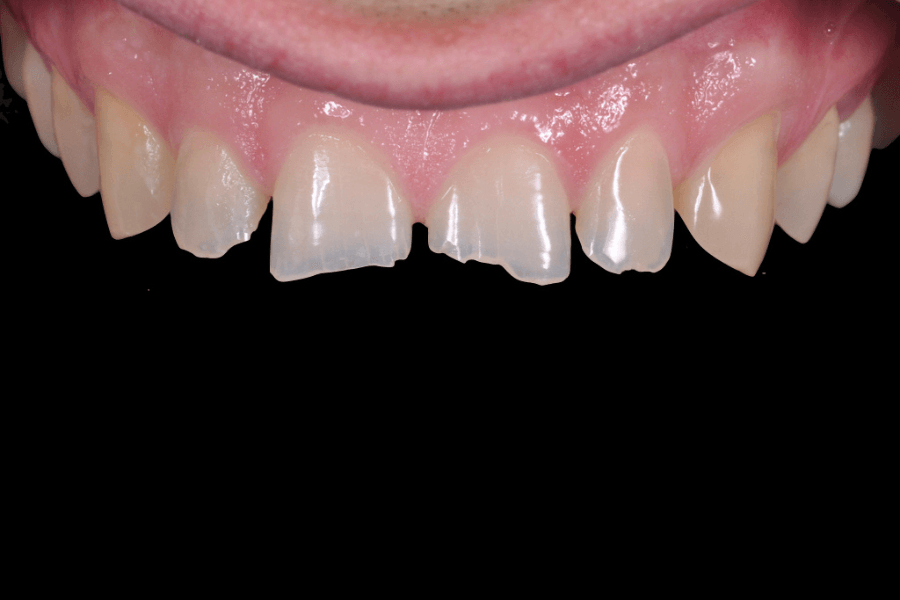
Tooth wear can be difficult to recognise in its early stages. Signs can include:
teeth becoming shorter or flatter
chipped or rough front teeth
transparent or thinning edges
yellowing as enamel becomes thinner
sensitivity
grooves near the gumline
changes in your bite
fillings or restorations repeatedly chipping or breaking
These changes may be caused by dental erosion, acid reflux, medication and dry mouth, diet, tooth grinding, side effects of sleep issues or a combination of factors.
Understanding Why Your Teeth Are Wearing
Tooth wear is often multifactorial. Acid erosion, gastric reflux, tooth grinding, diet, saliva, sleep and the way your teeth function can all contribute.
Our first priority is diagnosis: understanding what has happened, whether the wear is still progressing and what is driving it.
Does Tooth Wear Always Need Treatment?
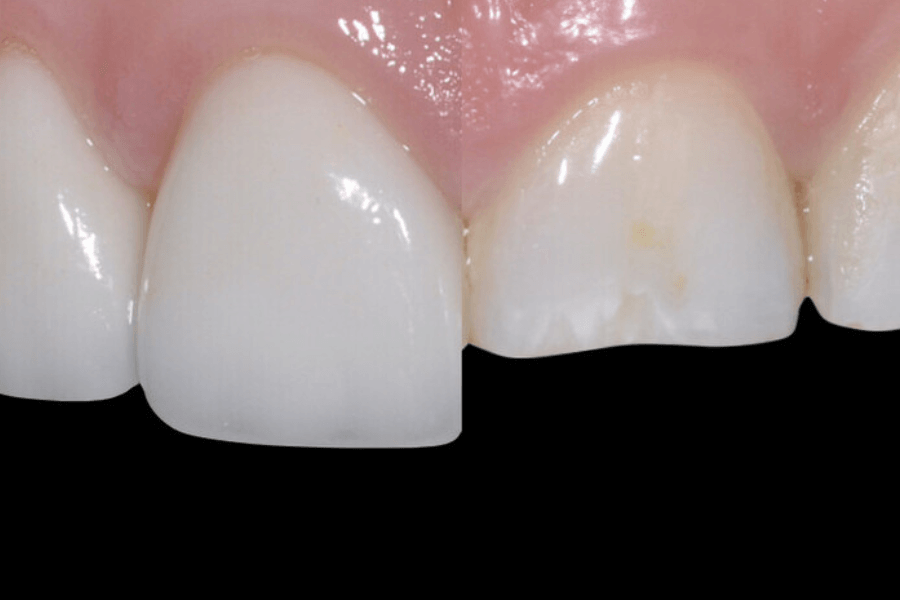
No, and our goal in any treatment approach is to preserve remaining tooth structure.
Early tooth wear may simply need its cause identified, measured and monitored. If wear is progressing or has affected appearance, comfort or bite stability, treatment may range from preventive care to rebuilding individual teeth or a severely worn dentition.
Our aim is to preserve as much healthy tooth structure as possible while creating a stable, comfortable and natural-looking result.
Protecting Teeth From Further Wear
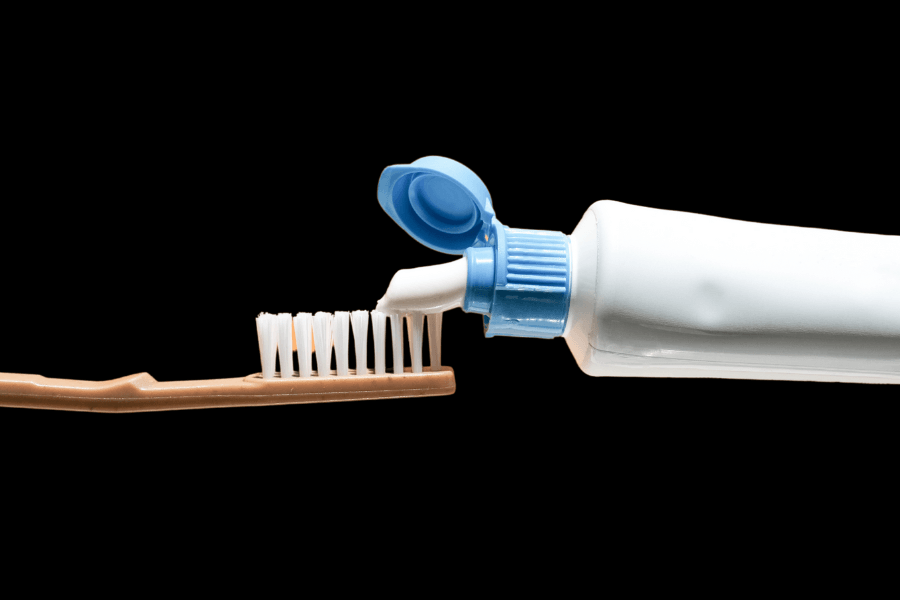
Not all tooth wear needs treatment. Simple lifestyle changes can help to prevent future tooth wear. Tailor made products and guidance on home care are part of our service.
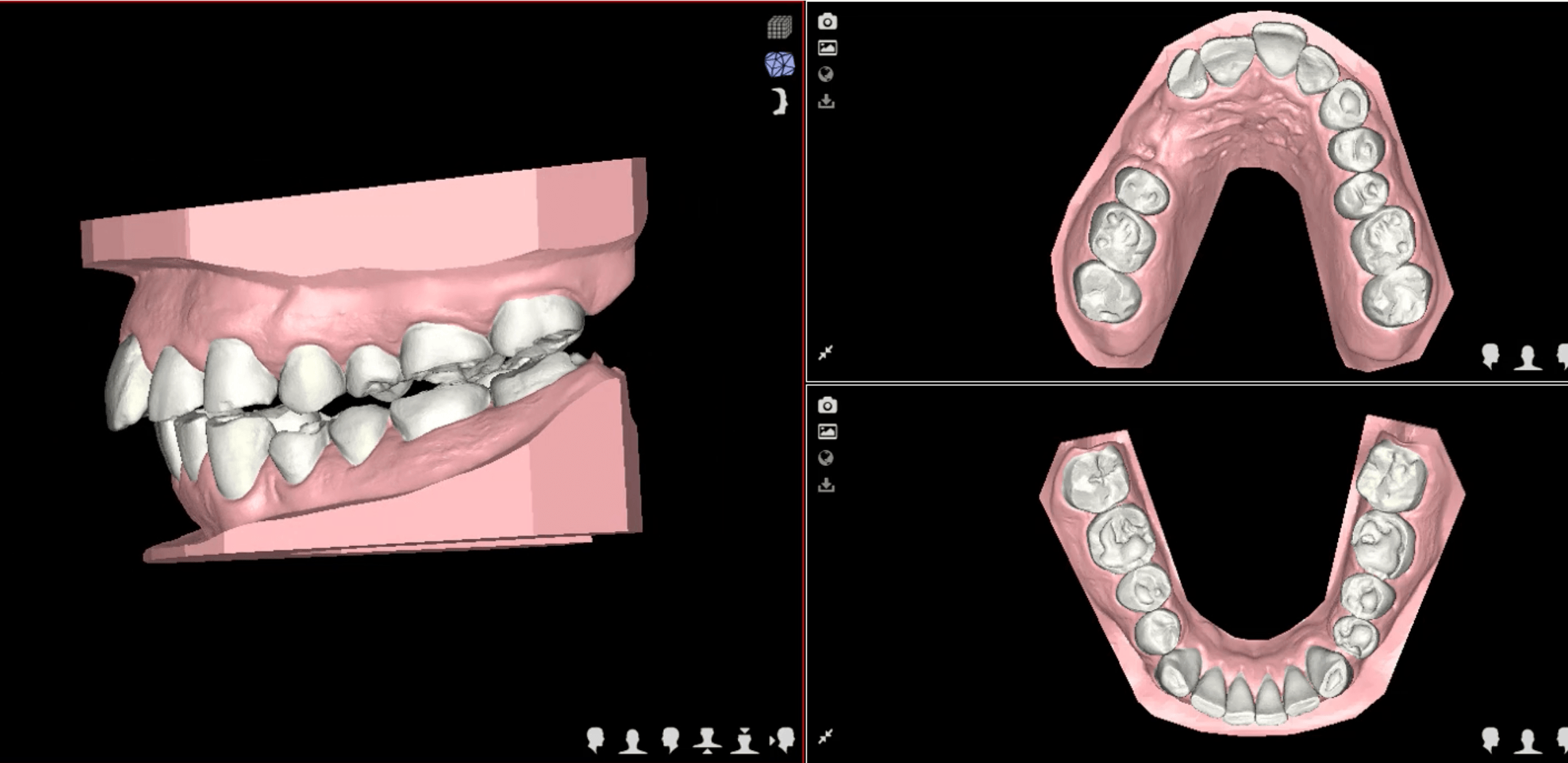
Measuring and Monitoring Tooth Wear
Digital scans and photographs allow us to record the shape of your teeth and monitor change over time. In more complex cases, we can combine digital scanning with 3D imaging, AI-assisted assessment and jaw-tracking technology to understand how your teeth and bite function.
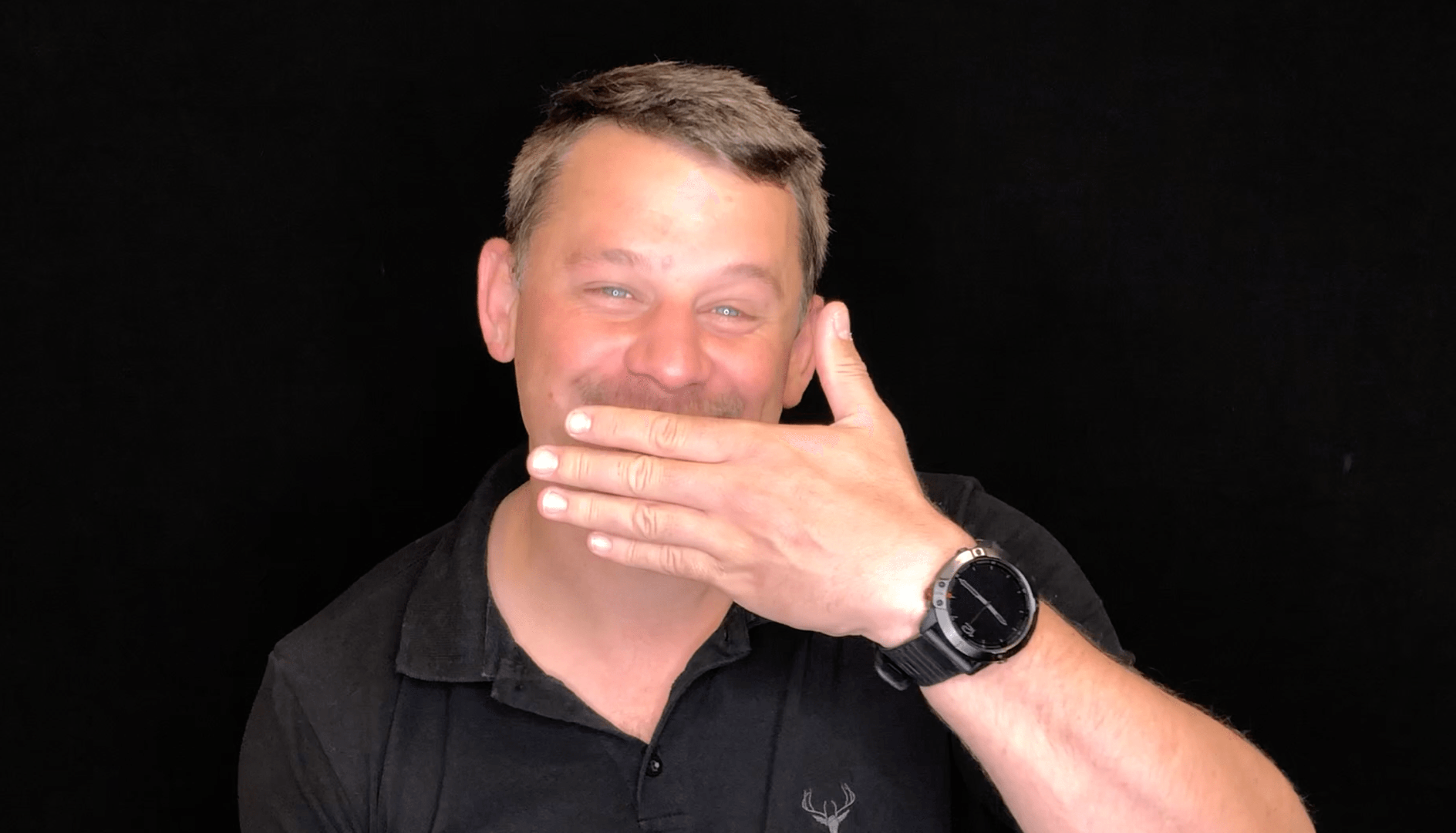
Real Tooth Wear Stories - Our Patients
Tooth wear affects people differently. Explore patient stories showing how we identify the cause, plan treatment and rebuild damaged teeth and smiles.

Rebuilding Worn Teeth: Options for Every Patient
Advanced tooth wear can affect appearance, comfort, function and the way the teeth meet. When significant reconstruction is needed, careful planning allows us to determine where tooth structure has been lost and how best to restore it.
Why Tooth Wear?
Dr Andrea Shepperson has spent more than 25 years studying, treating and teaching other dentists about tooth wear.
Her interest began with a simple clinical question: why were some patients' teeth deteriorating much faster than expected? That question developed into a career-long focus on understanding the causes of tooth wear and finding predictable ways to protect and rebuild damaged teeth.
Andrea is the author of Managing Tooth Wear: A Comprehensive Guide for General Practice, teaches internationally and is a faculty member in postgraduate aesthetic dentistry at King's College London.
FAQs
How do I know if my teeth are wearing down?
Teeth usually wear down gradually, so the early changes can be easy to miss. You may notice that your teeth look shorter, flatter, thinner or more yellow, or that the edges of your front teeth are becoming transparent, rough or chipped. You may also develop sensitivity, grooves or hollows in the teeth, or notice that your bite feels different.
Photographs and digital scans can help identify and measure tooth wear, particularly when changes are subtle. Comparing scans over time can also help determine whether the wear is stable or continuing to progress.
Why are my teeth becoming shorter?
Teeth can become shorter when enamel and dentine are gradually lost through tooth wear. This may result from acid erosion, tooth grinding or clenching, the way the teeth contact during function, or a combination of factors.
Acids may come from the diet, such as acidic drinks and foods, or from the stomach through acid reflux or vomiting. Once enamel has been softened or lost, mechanical forces can contribute to further wear.
Finding out why the teeth are becoming shorter is important before deciding whether they need treatment.
Can acid reflux damage my teeth?
Yes. Acid reflux can contribute to dental erosion and tooth wear. Stomach contents reaching the mouth can expose the teeth to acid and gradually dissolve the mineral structure of enamel.
Reflux-related tooth wear may occur even when you don't experience obvious heartburn. Some people have throat, voice, cough or swallowing symptoms, while others may have few noticeable symptoms.
If the pattern of tooth wear suggests an internal acid source, we may recommend further medical assessment alongside dental monitoring and treatment.
Does grinding cause tooth wear?
Yes, teeth grinding and clenching can contribute to tooth wear, but grinding is not always the only cause.
Some people develop flattened surfaces, chips or fractures from repeated tooth-to-tooth contact. In other patients, acid erosion has weakened or removed enamel first, making the teeth more vulnerable to mechanical wear.
This is why simply assuming that worn teeth are caused by “grinding” can miss an important part of the diagnosis. We look at the pattern of wear, bite, jaw function and possible sources of acid before deciding what is contributing.
Can worn teeth be rebuilt?
Yes. Worn teeth can often be rebuilt, but the appropriate treatment depends on how much tooth structure has been lost, why it was lost and whether the wear is still active.
Treatment may range from monitoring and prevention through to adhesive restorations, ceramic restorations or more comprehensive reconstruction of severely worn teeth. Sometimes changes to the bite or tooth position may also be considered before restorative treatment.
The aim is not simply to make the teeth look longer again. Treatment should address the cause of the wear and protect the remaining tooth structure while restoring appearance, comfort and function where needed.
Does all tooth wear need treatment?
No. Not all tooth wear needs restorative treatment.
A small amount of wear can occur over a lifetime and may remain stable without causing problems. In these situations, identifying risk factors, reducing further damage and monitoring the teeth may be all that is required.
Treatment becomes more relevant when tooth wear is progressing, affecting appearance or sensitivity, weakening teeth or restorations, or changing the bite and function.
The important question is therefore not simply “Do I have tooth wear?” but “Is my tooth wear progressing, and is it causing a problem?”
When should I see a dentist about worn teeth?
Consider having your teeth assessed if you notice them becoming shorter, thinner, flatter, more yellow, sensitive, chipped or increasingly transparent, or if your bite seems to be changing. It is also worth seeking advice if restorations repeatedly chip or fracture, you know that you grind your teeth, or you have symptoms or a history of acid reflux, frequent vomiting or high exposure to acidic foods and drinks.
You don't need to wait until the wear is severe. Earlier assessment can help establish the cause, create a baseline for monitoring and determine whether anything actually needs to be done.
Can tooth enamel grow back?
No. Once tooth enamel has been physically lost, it cannot grow back, because enamel does not contain living cells capable of regenerating it.
However, enamel that is still present but has been weakened by early acid exposure can undergo remineralisation. Saliva, fluoride and other preventive measures can help replace minerals and strengthen the remaining enamel.
This is why recognising tooth wear and dental erosion early is important. If enamel has already been lost, the priority is to identify what is causing the damage, reduce further wear and protect the remaining tooth structure. If significant tooth structure has been lost, worn teeth can often be rebuilt with restorative treatment.